Enable your GPS
To show you the best nearby services in real time
Nearby Services
Find vets, grooming and more in your area
Real-time Results
Auto-updates as you move
Your Privacy is Safe
We only use your location within the app
Select your search radius:

Separation anxiety affects 14–17% of dogs. Here's how to recognize it and what actually works to treat it.
What Is Separation Anxiety?
Separation anxiety is a condition in which a dog exhibits distress behaviors when separated from their attachment figure(s). It is one of the most common behavioral problems in dogs, affecting an estimated 14–17% of the dog population.
Signs of Separation Anxiety
True separation anxiety occurs only when the owner is absent and may include:
- Destructive behavior (chewing furniture, scratching doors)
- Excessive vocalization (barking, howling, whining)
- House soiling despite being house-trained
- Pacing, circling, or repetitive behaviors
- Attempting to escape (can result in injury)
- Excessive drooling or panting
- Refusal to eat when alone
Causes and Risk Factors
- Sudden changes in routine (e.g., owner returning to work)
- Change in household composition
- History of abandonment or multiple rehomings
- Certain breeds (Labrador Retrievers, German Shepherds, Vizslas)
- Lack of independent coping skills
Evidence-Based Treatment
Behavior Modification
Systematic desensitization is the most effective treatment. This involves:
- Teaching the dog that pre-departure cues (picking up keys, putting on shoes) don't always predict departure.
- Gradually increasing alone time, starting with seconds and building to hours.
- Never punishing the dog for anxiety-related behaviors.
Environmental Management
- Provide enrichment (puzzle feeders, frozen Kongs) when leaving.
- Leave recently worn clothing with your scent.
- White noise or calming music can help.
Medication
For moderate to severe cases, veterinary-prescribed medications (fluoxetine, clomipramine) combined with behavior modification significantly improve outcomes. Never use sedatives as a standalone treatment.
Professional Help
A board-certified veterinary behaviorist (DACVB) or a certified applied animal behaviorist (CAAB) can develop a customized treatment plan.
Source: ASPCA — Separation Anxiety
Related Articles

Cómo elegir el mejor alimento para tu perro
Una guía completa basada en las recomendaciones del American Kennel Club para seleccionar el alimento adecuado según la edad, tamaño y condición de salud de tu perro.
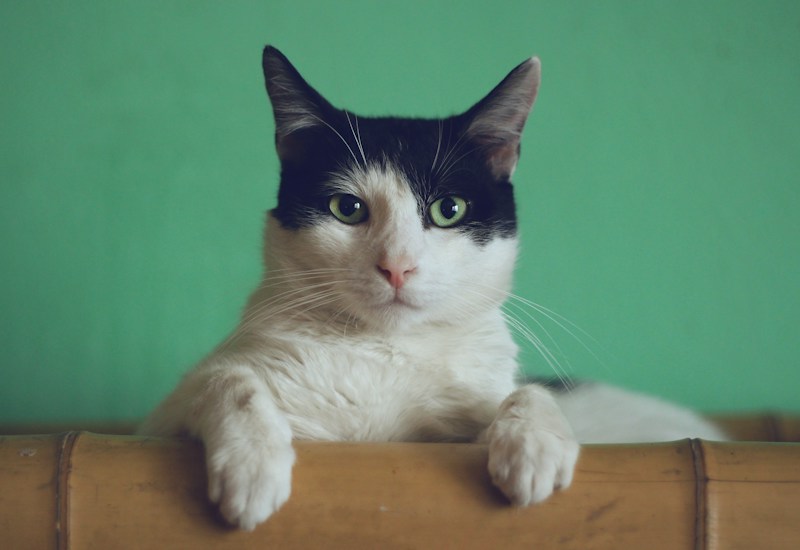
10 señales de que tu gato está enfermo
Aprende a reconocer los síntomas tempranos de enfermedad en gatos según los veterinarios de PetMD. Detectar a tiempo puede salvar la vida de tu mascota.